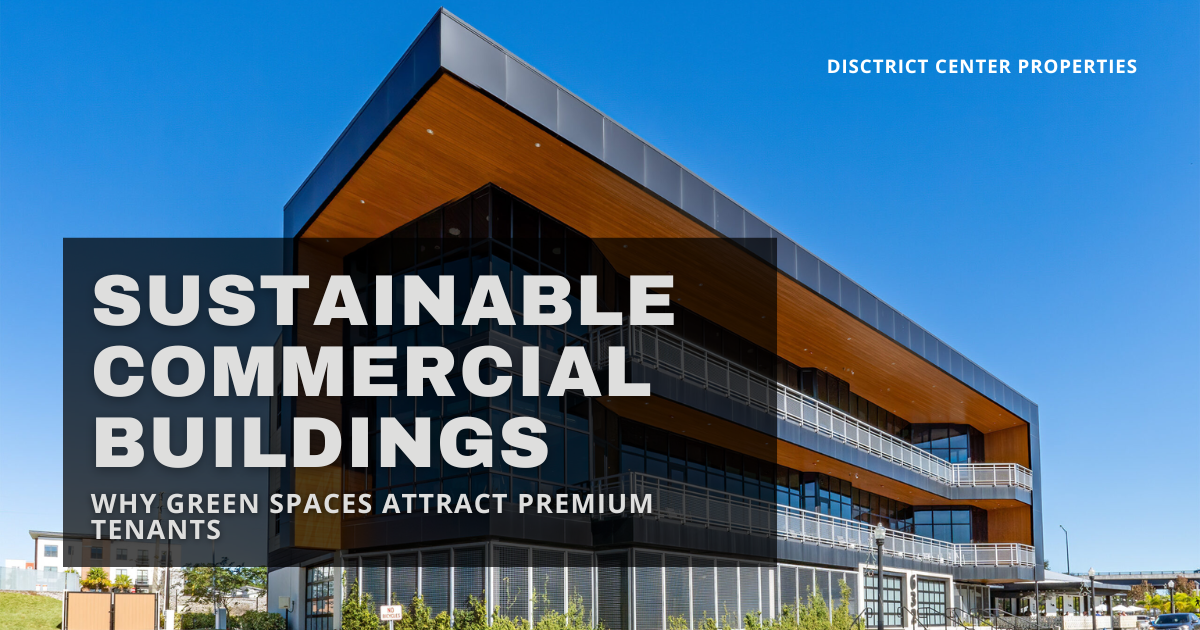
The demand for sustainable commercial buildings in West Delhi is increasing as businesses shift toward environmentally responsible and cost-efficient workspaces. Companies today are not only looking for office or retail locations. They are searching for spaces that improve employee well-being, reduce operating expenses, and reflect modern brand values. Sustainability has moved from being a trend to becoming an essential factor in commercial real estate decisions.
West Delhi has seen steady commercial growth over the years. With dense residential clusters, strong metro connectivity, and established business hubs, the region is well positioned to adopt greener building practices. Sustainable commercial buildings integrate energy-efficient systems, natural lighting, improved ventilation, and green landscaping into their design. These features enhance productivity, create healthier work environments, and reduce long-term utility costs.
Premium tenants such as corporate offices, healthcare providers, and established retail brands increasingly prefer eco-friendly buildings. Green surroundings and efficient infrastructure help them attract talent, improve operational efficiency, and strengthen brand reputation. Investors also recognize that environmentally responsible buildings often maintain higher occupancy rates and stronger rental demand.
As environmental awareness grows and regulations become stricter, sustainability is becoming a competitive advantage rather than an optional feature. In this blog, we explore how sustainable commercial buildings influence tenant decisions, why green spaces add value, and how this shift is shaping the future of commercial property in West Delhi.
Key Takeaways
-
Sustainable commercial buildings in West Delhi offer energy efficiency and long-term operational savings.
-
Green spaces improve employee well-being and attract premium corporate tenants.
-
Eco-friendly buildings often experience lower vacancy rates and stronger rental stability.
-
Sustainability strengthens brand image and corporate responsibility efforts.
-
Long-term property appreciation is supported by energy-efficient infrastructure.
-
Green commercial developments provide competitive advantages in established business districts.
What Makes Sustainable Commercial Buildings in West Delhi Different
Sustainable commercial buildings are designed to minimize environmental impact while improving efficiency and comfort. These buildings often include:
-
Energy-efficient lighting and HVAC systems
-
Solar power integration
-
Rainwater harvesting systems
-
Waste management solutions
-
Natural lighting and ventilation
-
Green rooftops or landscaped open areas
Unlike traditional commercial buildings, sustainable spaces focus on long-term operational savings rather than just construction cost.
In West Delhi, where commercial activity is increasing, such features can differentiate one property from another.
Why Premium Tenants Prefer Green Buildings
Premium tenants include corporate offices, multinational companies, healthcare providers, and established brands. These businesses prioritize long-term stability and brand image.
Sustainable commercial buildings in West Delhi attract these tenants because they offer:
-
Lower electricity and maintenance costs
-
Better indoor air quality
-
Healthier work environments
-
Improved employee satisfaction
Companies understand that employee productivity improves in well-ventilated and naturally lit spaces. Green environments reduce stress and support better work performance.
The Role of Green Spaces in Attracting Tenants
Open green areas are not just decorative. They improve the overall environment of a commercial property.
Landscaped courtyards, terrace gardens, and tree-lined pathways create a welcoming atmosphere. Employees and visitors feel more comfortable spending time in such environments.
Retail spaces also benefit because customers prefer shopping or dining in pleasant surroundings.
Green spaces increase the overall attractiveness of commercial developments.
Energy Efficiency and Cost Savings
Energy-efficient buildings reduce long-term operational expenses. Businesses prefer properties where electricity consumption is optimized.
Features such as LED lighting, smart energy systems, and solar panels reduce utility bills.
When tenants save on operating costs, they are more willing to pay slightly higher rent for better facilities.
This is one reason sustainable commercial buildings in West Delhi often command premium rental rates.
Corporate Responsibility and Brand Image
Modern businesses are increasingly conscious about their environmental impact.
Operating from a sustainable building enhances brand credibility. It shows commitment to environmental responsibility.
Companies use green credentials as part of their marketing strategy. Customers and investors appreciate environmentally responsible businesses.
Sustainable office spaces align with corporate social responsibility goals.
Impact on Rental Stability
Green commercial properties often experience lower vacancy rates.
Premium tenants prefer long-term leases in sustainable buildings because relocation is expensive and environmentally conscious spaces are limited.
Stable tenancy reduces risk for property owners.
This long-term stability supports consistent appreciation in sustainable commercial buildings in West Delhi.
Health and Productivity Benefits
Indoor air quality, natural lighting, and thermal comfort directly influence productivity.
Employees working in green buildings often report better focus and reduced fatigue.
Healthier work environments reduce absenteeism and improve morale.
These benefits encourage companies to choose eco-friendly spaces even at higher rental rates.
Water Conservation and Resource Efficiency
Water management systems such as rainwater harvesting and recycling reduce waste.
Resource-efficient buildings lower environmental impact while reducing monthly operational costs.
Tenants increasingly consider these features before signing leases.
Government Policies Supporting Sustainability
Government initiatives promoting green construction encourage developers to adopt sustainable practices.
Regulatory support and incentives make green development more viable.
As awareness grows, more commercial projects in West Delhi are likely to integrate sustainable design elements.
Long-Term Property Appreciation
Sustainability is not a short-term trend. It reflects long-term urban planning.
Properties with energy-efficient systems and eco-friendly designs remain relevant for longer periods.
As environmental regulations tighten in the future, sustainable buildings may outperform traditional structures.
Investors see long-term appreciation potential in sustainable commercial buildings in West Delhi.
Competitive Advantage in Commercial Hubs
In competitive commercial districts, differentiation matters.
Green buildings stand out compared to conventional properties.
Tenants evaluating multiple options are more likely to choose buildings with better environmental features.
This advantage strengthens occupancy levels and rental growth.
Retail Spaces and Sustainability
Retail businesses also benefit from sustainable design.
Natural lighting enhances product display. Green surroundings attract customers.
Shoppers prefer comfortable environments, especially in busy urban areas.
Sustainable retail developments create positive customer experiences.
Technology and Smart Building Systems
Smart building systems enhance sustainability.
Automated lighting controls, smart temperature regulation, and digital monitoring improve efficiency.
Technology integration strengthens the appeal of green commercial properties.
Tenants value modern infrastructure combined with environmental responsibility.
Challenges in Sustainable Development
While benefits are strong, challenges exist.
Initial construction costs may be higher. Developers must invest in better materials and systems.
However, long-term savings and premium rental potential often offset these costs.
Market awareness is also growing, making sustainable investment more practical.
The Future of Sustainable Commercial Buildings in West Delhi
Urban growth in West Delhi is expected to continue. With rising awareness of climate change and environmental responsibility, sustainability will become central to commercial development. Future commercial projects are likely to incorporate more green design features, open spaces, and energy-efficient systems. Sustainable commercial buildings in West Delhi are positioned to attract higher-quality tenants and stronger long-term demand. Developers who prioritize sustainability today may lead the market tomorrow.
Conclusion
Sustainable commercial buildings are reshaping the future of urban real estate. Businesses now look beyond basic infrastructure. They want energy efficiency, green surroundings, and long-term cost savings.
In West Delhi, sustainable commercial developments are gaining attention because they offer a balance between environmental responsibility and financial performance. Premium tenants value healthier work environments and reduced operational costs. Investors benefit from stable occupancy and appreciation potential.
As sustainability becomes a standard rather than a luxury, green commercial spaces will continue attracting quality tenants and strengthening commercial property markets.
Choosing sustainable commercial buildings is not just an environmental decision. It is a smart business strategy for long-term growth.
FAQ
1. What are sustainable commercial buildings?
Sustainable commercial buildings are properties designed to reduce environmental impact through energy efficiency, water conservation, and green infrastructure.
2. Why are sustainable commercial buildings in West Delhi becoming popular?
Businesses in West Delhi prefer eco-friendly spaces because they reduce costs, improve employee comfort, and enhance brand reputation.
3. Do sustainable buildings command higher rent?
Yes. Many premium tenants are willing to pay slightly higher rent for energy-efficient buildings that lower operational expenses.
4. How do green spaces attract premium tenants?
Green spaces create healthier and more appealing work environments, improving employee productivity and customer experience.
5. Are sustainable buildings a good investment?
Yes. They often maintain higher occupancy levels, stable rental income, and long-term appreciation potential.